Congratulations, America: Your Car Costs More Per Month Than Your Parents' First House
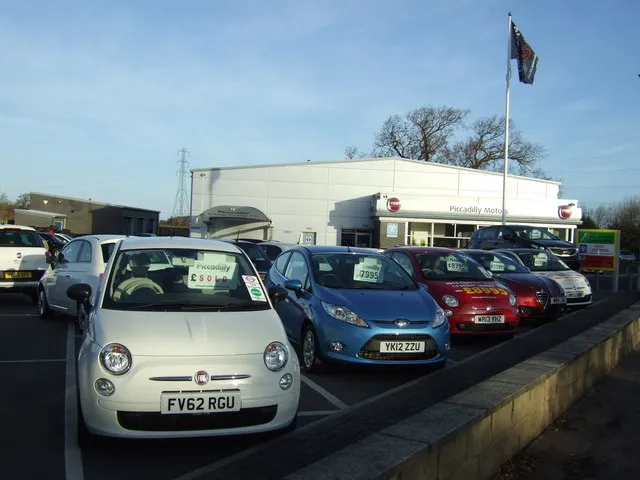
Photo: JThomas , CC BY-SA 2.0, via Wikimedia Commons
In 1980, the average American car loan ran about 36 months. Today, you can walk into a dealership and finance a truck for 84 months — seven years — and plenty of people do. Roughly one in five new auto loans now stretches past six years. The result? A record share of new car buyers are carrying payments north of $1,000 a month, and the average has climbed into the $700s.
Let's put that in perspective. For a lot of buyers, the car payment plus insurance now rivals rent or a mortgage as the biggest line in the household budget. Your grandfather financed a car for three years and drove it for fifteen. We've inverted the whole arrangement.
How the Monthly Payment Ate the Car Buying Process
Here's the trick that makes it all work: dealerships no longer sell cars. They sell payments.
Walk in asking "what can I afford per month?" and you've handed the finance office total control of the deal. They can hit almost any monthly number you want by stretching the term, inflating the rate, or rolling in add-ons. Want $450 a month instead of $650? Easy — just sign up for 84 months at a higher APR and pay thousands more over the life of the loan.
Worse, the long term creates a nasty trap called negative equity. Cars depreciate fastest in years one and two, but an 84-month loan keeps the balance high for most of that window. So the moment you drive off the lot, you owe more than the car is worth — and you stay underwater for years. Trade in early (as most people do) and that negative equity doesn't vanish. It gets rolled into the next loan, where you finance the ghost of your previous car. This is how a $40,000 truck quietly becomes a $55,000 truck.
The Most Dangerous Phrase in Car Buying
"Affordable monthly payment."
Affordable for whom, and over what period? A $900 payment over 84 months at 8% is a $76,000 obligation. That's not a car purchase — that's a second mortgage with four wheels. And unlike a house, the asset is guaranteed to lose value every single year.
The monthly payment framing works because humans are bad at mental math over long horizons. $900 doesn't feel like $76,000. It feels like $900. The dealer knows this. The whole financing desk is built on it.
The Demand-Side Framework: Negotiate Three Numbers, in Order
Flip the script. Walk in — or better, negotiate by email — and insist on discussing three figures in this exact sequence:
- Total out-the-door price of the car. Not monthly. Not APR. The full number, including taxes and fees. This is the only number the dealer doesn't want to talk about, which is exactly why you lead with it.
- Your trade-in value, separately. Never let the trade get blended into the deal. Blending is where negative equity hides.
- Financing, last and separately. Get pre-approved at your bank or credit union before you set foot in the dealership, so you have a real rate to compare against whatever the finance office offers.
Then apply one brutal rule: if the loan term needs to exceed 48 months to hit a payment you can swing, the car is too expensive. Full stop. A 36- to 48-month term forces honesty — the payment itself will tell you whether you're buying within your means.
And one more demand: total cost of ownership counts. Insurance, fuel, and maintenance on a big new truck can add hundreds a month. The sticker was never the real price.
The dealership's business model depends on you thinking in months. Think in years and totals instead. It's the single cheapest negotiation skill you'll ever learn.