The Board Voted on Your Second Mortgage Without Asking You
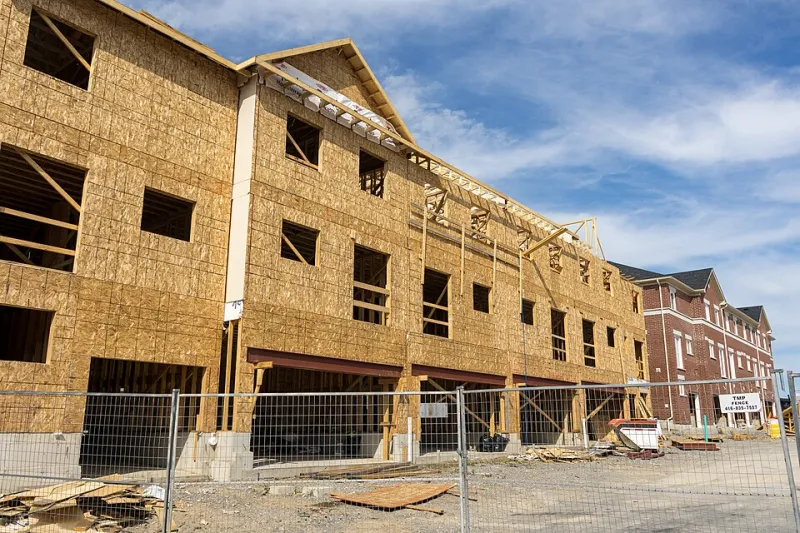
Photo: Dillan Payne, CC BY-SA 4.0, via Wikimedia Commons
You budgeted for the dues. You wrote the check every month, or set up the autopay, and you filed it under 'cost of owning a house.' Then a letter shows up from the management company announcing a special assessment of $12,000, payable in installments, effective last Tuesday.
That letter is not a mistake or a scam. It is the bill for decisions made in a clubhouse meeting you did not attend. Your homeowners association runs a small government with a bank account, and when that account runs dry, you are the collateral.
Dues are the subscription. Assessments are the invoice.
Regular dues cover operating costs: landscaping, insurance, trash, management fees, pool chemicals, the guy who fixes the gate. A special assessment is a one-time charge levied when the association needs money it does not have, usually for a capital project it should have been saving toward for a decade. New roofs. Repaving. Siding. A plumbing failure. An insurance premium spike. A lawsuit settlement.
How big can they get? Five figures is common. In older buildings with deferred maintenance, or in coastal states where property insurance has gone vertical, six figures per unit happens and has happened.
Your governing documents, usually the declaration and bylaws, spell out how assessments work: whether the board can levy one unilaterally, whether a member vote is required above a certain dollar amount, whether you can pay in installments. Some states impose additional limits. Read the documents, not the Facebook group.
The reserve study is the crystal ball nobody reads
A reserve study is an engineer's inventory of everything the association owns, an estimate of when each component will fail, and a funding plan to pay for the replacement. It is the single most predictive document in the entire association file.
The number that matters is percent funded: how much cash sits in reserves compared with what the study says should be there. Below roughly 70 percent, special assessments stop being a possibility and start being a scheduling problem. Near zero, you are looking at an invoice with your name on it.
Request the current reserve study, the date of its last update, and the percent-funded figure. Ask in writing. If the board cannot produce one, that silence is itself the answer: nobody has done the math, so the math will be done to you.
Read the annual budget like an auditor
You get this document once a year and most owners click past it. Do not. Three line items tell you almost everything:
Reserve contribution. If the association puts $0 or a token amount into reserves, dues are artificially cheap and the difference will be billed later with interest.
Insurance. Premiums have climbed hard in recent years across much of the country. A jump here can force an assessment even in a well-run building.
Delinquencies. Uncollected dues are a hole the rest of the owners fill. A rising bad-debt line means your neighbors are subsidized by you.
Compare this year to the last three. Rising costs with flat dues is not thrift. It is a bill in transit.
The meeting minutes are the receipts
Minutes are where the board admits things. Roof replacement discussed in March. A settlement approved in June. A contractor's bid for repaving that never got a second quote. Read twelve months of minutes in one sitting with a highlighter, and you will know more about the association's finances than most board members do.
Fines deserve a defense, not a shrug
Associations can fine you for rule violations, but they have to follow their own procedure. In most states and most sets of bylaws, that means written notice of the alleged violation, a stated rule, and an opportunity for a hearing before a fine is finalized.
So ask for all three, in writing. Request the hearing. Cite the specific rule. Show up, take notes, and request the outcome in writing. A remarkable share of fines get reduced or dropped simply because the association skipped a required step and the owner noticed. Pay nothing 'just to make it go away' without asking what rule was broken and when you were told.
When a five-figure notice lands
First: put it in writing. Get the amount, the project it funds, the payment schedule, the interest rate, and the deadline from the management company, not from a neighbor.
Second: check the vote. Pull the minutes and the governing documents and confirm the board had the authority to levy that amount. If a member vote was required and never happened, you have a real objection to raise, ideally with an attorney who handles association law in your state.
Third: check your own insurance. A standard HO-6 condo policy can include loss assessment coverage, which pays part of a special assessment triggered by a covered peril. Limits are often low by default, and raising them is usually cheap. Do it before the letter, not after.
Fourth: negotiate the terms. Many associations would rather have a payment plan than a delinquent owner, and installment terms are frequently available even when the notice threatens a lump sum.
Fifth: understand the downside. An unpaid assessment can become a lien, and in many states a lien can lead to foreclosure. This is not a debt you can ignore into submission.
Your move
Ask for the reserve study every year. Attend one board meeting a year, minimum, ideally the budget meeting. Buy the loss assessment coverage. And if you have an afternoon a month free, run for the board, because the cheapest special assessment is the one somebody saw coming.