That 'Club Price' Isn't a Gift. It's a Trade You Keep Making.
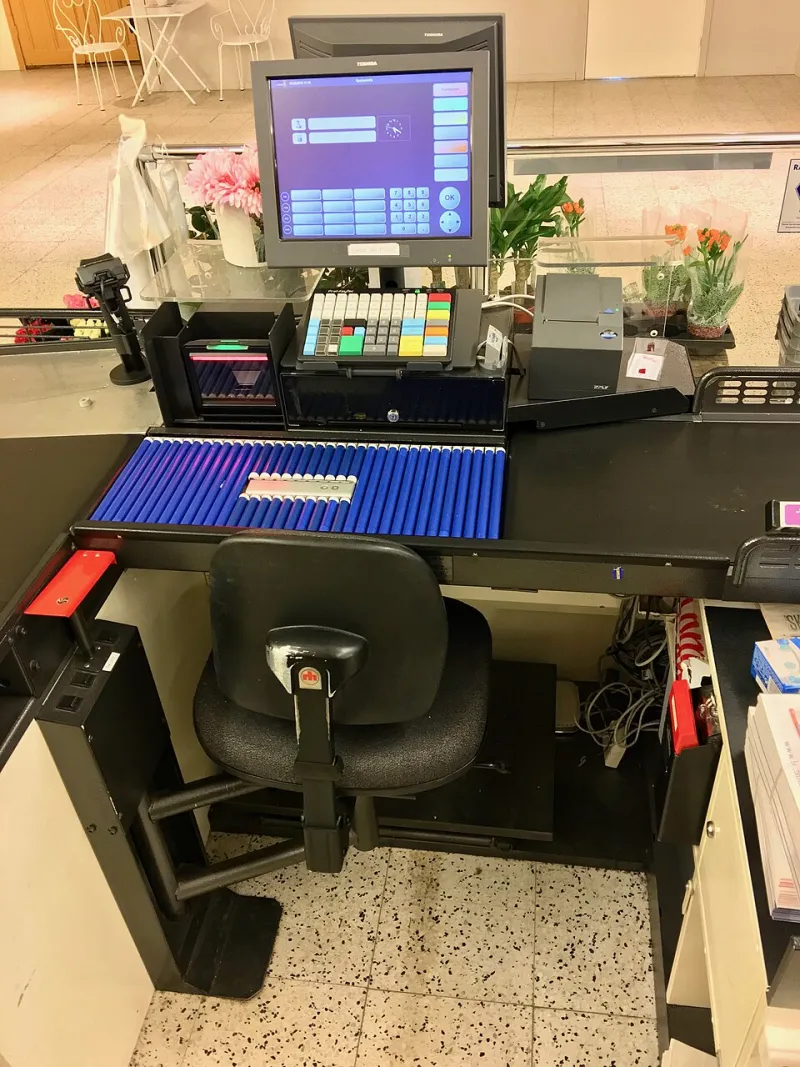
Photo: Wolfmann, CC BY-SA 4.0, via Wikimedia Commons
You swipe the card, the register beeps, and $4.30 falls off your total. Feels like winning, right? The store would agree. You just sold them a detailed portrait of your household — what you eat, what you're treating, what brand you'll cave on — for the price of a fancy coffee.
Grocery loyalty programs are pitched as a perk. They're actually a transaction, and you're on the selling side. The question isn't whether the trade happens. It's whether you're getting a fair rate.
What Your Cart Is Worth to Them
Let's put a number on it. Data brokers and market research firms routinely pay anywhere from a few cents to several dollars per person for detailed consumer purchase histories, depending on freshness and completeness. Aggregated across millions of shoppers, that's serious money — which is why companies like Kroger built entire media divisions (Kroger Precision Marketing, if you're keeping score) that sell your shopping behavior to brands that want to advertise to people exactly like you.
Your basket tells a story: you buy diapers (new parent, likely stressed, brand-flexible), you purchase store-brand pasta but name-brand olive oil (price-sensitive in some aisles, loyal in others), you grab ibuprofen every few weeks (chronic something). Advertisers pay a premium for that level of granularity because it removes the guesswork from targeting.
So when you "earn" $2 in digital deals, remember the other side of the ledger. You're not being rewarded. You're being paid — badly — for inventory.
Dynamic Pricing: The Discount That Watches Back
Here's the part that should raise your blood pressure. Loyalty data doesn't just get sold. It gets used.
Personalized pricing — sometimes called dynamic or targeted pricing — is the practice of showing different shoppers different prices based on what the algorithm thinks they'll tolerate. Grocery apps are the perfect delivery vehicle. The store knows your purchase history, your price sensitivity, and how often you've paid full price without complaint. In theory, that knowledge could earn you better offers. In practice, it can just as easily mean the "sale" you see is calibrated to be the smallest discount you'd still act on.
There's no federal law banning this in the US. A few states have started poking at algorithmic pricing, but the grocery aisle is largely the wild west. The point isn't paranoia — it's awareness. The discount you see through the app is filtered through a profile of you. Same aisle, different price, depending on who's holding the phone.
The Math Most People Never Run
Run an honest audit. Pull up your loyalty account and total your actual savings over the last three months. Most shoppers land somewhere between $10 and $30 a month in genuine discounts — deals they'd actually have to pay more for otherwise.
Now price the other side. Your purchase history, enriched with your phone number and email, feeds advertising systems that are very good at getting you to spend more. That's not hypothetical; it's the entire business model of retail media networks, which are projected to be a multi-billion dollar industry in the US. The store's goal with your data is simple: increase your basket size and your visit frequency. When they succeed, they win back far more than they gave you in coupons.
The discount is real. So is the bill. It's just billed to a different account — your attention, your predictability, your spending ceiling.
Stack the Rewards Without Selling the Farm
You don't have to boycott. You just have to negotiate the terms. Here's the practical playbook:
1. Use a data email, not your real one. Set up a free address solely for loyalty signups. Marketing spam dies in an inbox you never check.
2. Give a Google Voice number, not your cell. Phone numbers are the universal join key that links your grocery data to everything else about you. A secondary number breaks that chain.
3. Skip the linked credit card where possible. Card-linking offers are convenient, but they hand over your full transaction history across every merchant, not just that store.
4. Play the paper game when it exists. Many chains still honor the same deals at the register without app tracking, or let you scan a generic barcode at checkout. Ask. It costs them nothing to say yes.
5. Time your redemptions to planned purchases. The only way personalized coupons "cost" you is when they talk you into buying things you weren't going to buy. Shop your list first; clip deals that match it, never the reverse.
6. Cash out rewards on a schedule. Points and fuel discounts quietly expire. Treat them like a gift card with a fuse — redeem monthly or lose them.
The Bottom Line
Loyalty cards aren't evil, and the discounts aren't fake. But the framing matters. You're not a member getting perks — you're a supplier getting paid wholesale rates for a product that's worth more every year. Guard the identifying details, redeem aggressively, and never let a coupon write your shopping list.
The store made its demand. Make yours: discount for data, fine — but only the data you choose to give.